The Power of Story
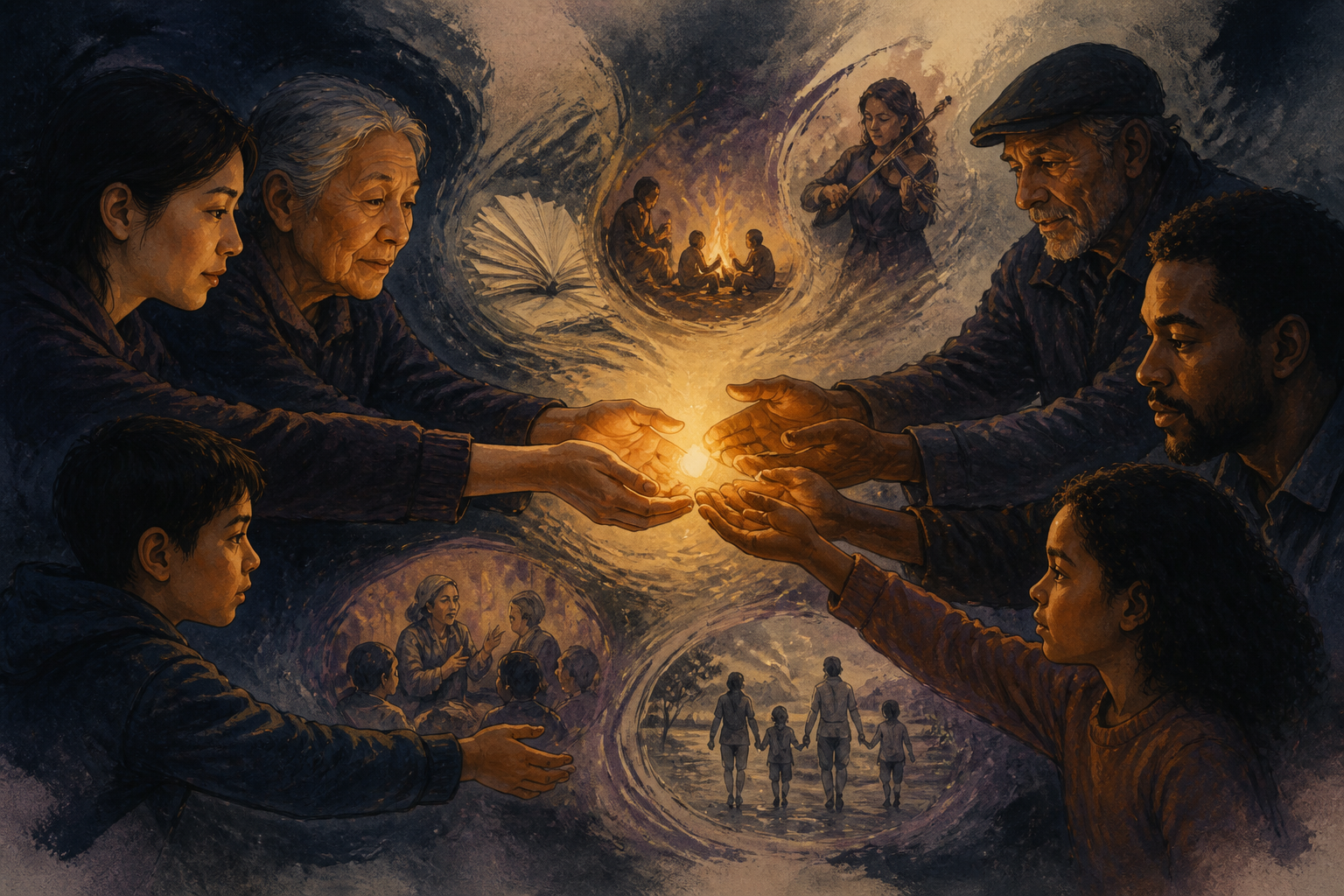
At the end of Part 1, I said that the work was not to choose between the principle and the story, but to reconcile them.
I did not fully understand what that reconciliation would require of me.
It is one thing to recognize that stories help human beings approach truth. It is another to turn toward your own life and ask whether the story you have avoided telling may carry something worth transmitting.
That question has been difficult for me.
I am more than a martial artist and a principle-based teacher.
I am also a filmmaker.
A writer.
A poet.
A musician.
A storyteller.
Story is not something external to me.
It is one of my natural languages.
Yet I became suspicious of that language. I knew how stories could manipulate perception, elevate personality over principle, and transform human beings into symbols or objects. Because I wanted the teaching to stand on its own, I often removed myself from the center.
There was integrity in that choice.
There was also avoidance.
What Makes a Story Worth Telling?
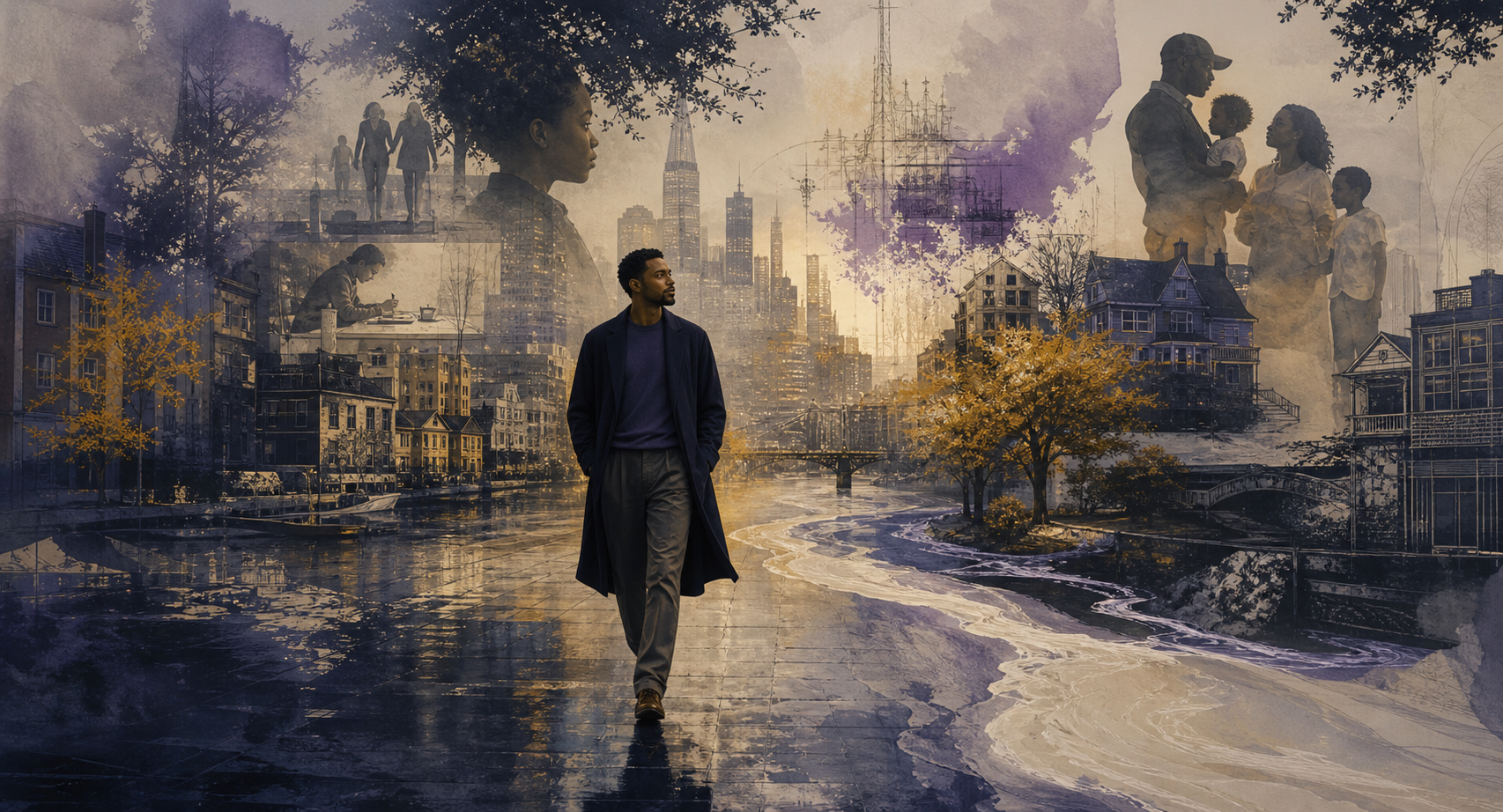
Stories preserve history, entertain, persuade, warn, and carry knowledge through time.
A parable can communicate a moral or spiritual lesson. A myth can give form to a mystery. A legend can preserve the memory of people and events, even as that memory changes. An anecdote can allow one small moment to carry an idea much larger than itself.
Stories are one of the most effective ways to connect with the human mind because they resemble the way we experience life: through time, sequence, relationship, consequence, and change.
But understanding those functions did not answer the question I was really asking.
What makes my story worth telling?
From inside my life, it does not feel remarkable. It feels like one experience followed by another. There is always another class to teach, another problem to solve, another system to build, and another responsibility waiting for me.
I respond.
I adapt.
I continue.
From the inside, it is simply my life.
But when I step outside my immediate experience and look at its larger shape, I see something different.
I have moved between meditation and software architecture.
Between martial training and nonprofit leadership.
Between artistic creation and spiritual responsibility.
I have trained with teachers from powerful traditions, helped carry forward ancient wisdom, and worked with an organization rooted in the work of Shaolin monks.
I have taught, built, preserved, struggled, adapted, and continued through circumstances that could have ended the work many times.
From within those moments, I was doing what needed to be done.
From outside, their cumulative shape is remarkable.
Both perspectives are real.
One prevents me from turning my life into a legend while I am living it. The other allows me to recognize that what has become ordinary through proximity may still carry meaning for someone else.
Learning to hold both perspectives has become part of my practice.
The Perspective Creates the Story
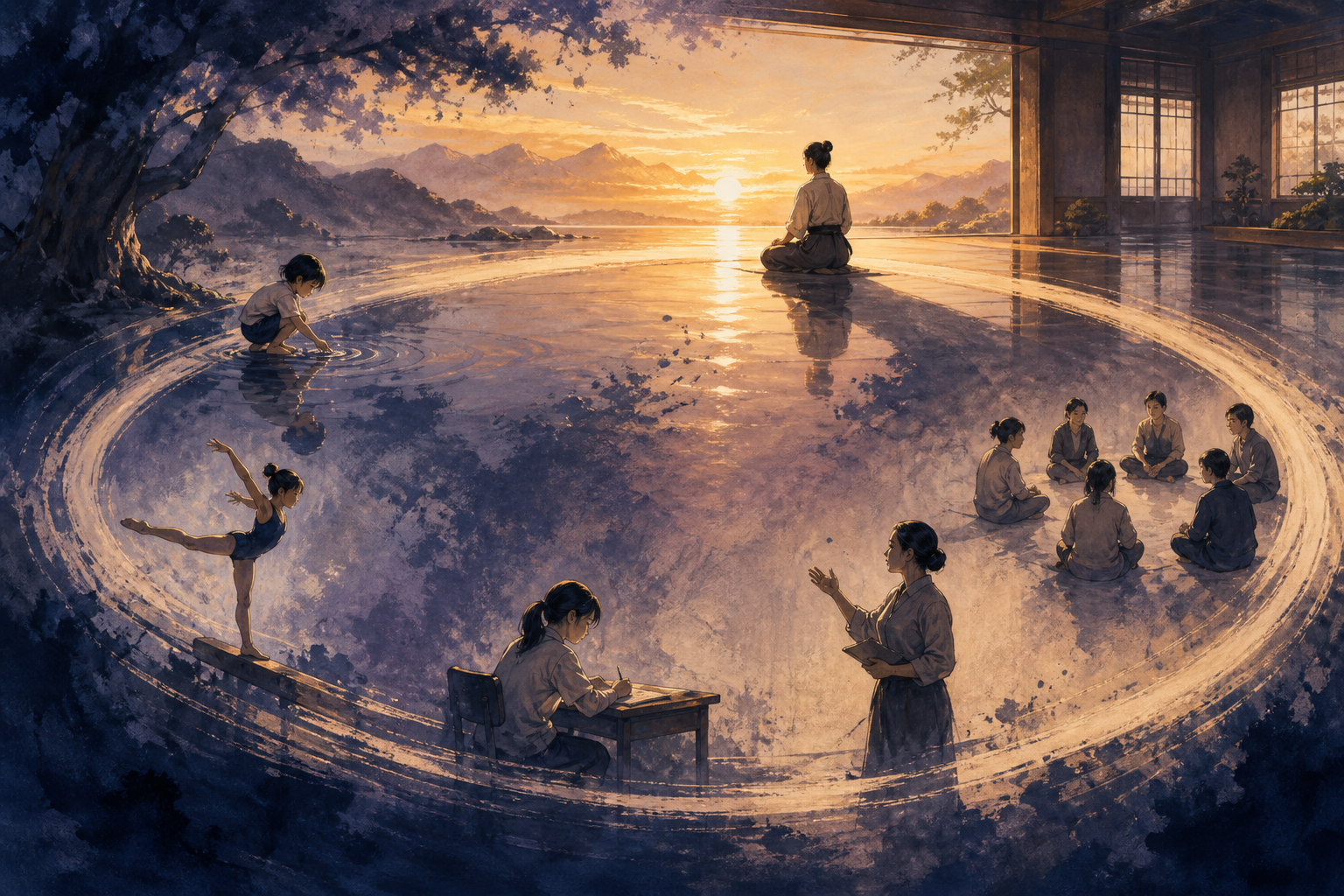
Every story begins with perspective.
Someone decides what matters, where attention should rest, what should be remembered, and what can remain outside the frame.
We do something similar in daily life.
Experience arrives as a continuous stream, but we do not notice or remember all of it equally. We focus on what appears important. We organize events around what we value, fear, desire, and believe.
Later, we arrange those selected moments into stories about what happened and who we are.
Those stories, in turn, influence what we notice next.
What am I telling myself?
How do I see myself?
What do I believe about myself?
The answers affect how I see, hear, and interact with the world.
Story does not merely describe a life after it happens.
Story participates in what that life becomes.
With that in mind, I want to begin telling the story I have rarely told.
🔐 My Journey to the Internal Arts