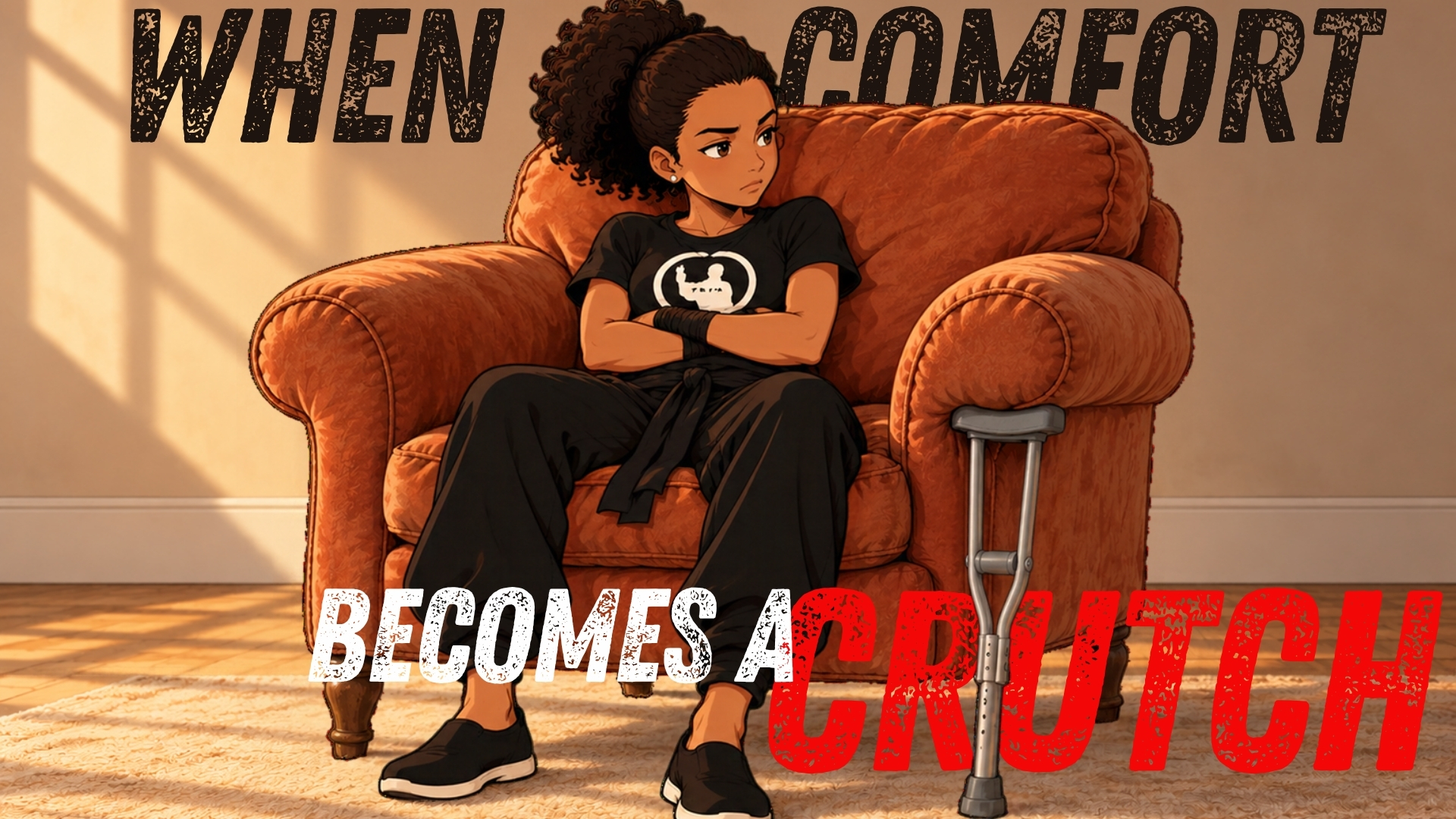
I want to start by first saying we get these bodies on loan for a short while; then we must give them back and vacate the premises because life is about constant transition, ebbs and flows, and there is a time and place for comfort in that life; however, we can also diminish our life experience by leaning too deeply into comfort. This is the age-old story of Siddhartha Gautama Buddha, who was given a life of comfort, but to find balance, he chose to explore and understand the nature of suffering, and according to the story, he became enlightened by the experience.
I won’t go deep into the story of Buddha, but I will say that what we are talking about is transformation. Transformation can be one of two things: something that happens to you, or something you create and influence. Transformation is happening no matter what path you choose, for before those paths merge, choose wisely.
In this complete article, I will share my insights as well as studies done on the matter, so if you want to get past the intro, please subscribe, and if you want to go deeper, consider joining our inner circle.
My Story
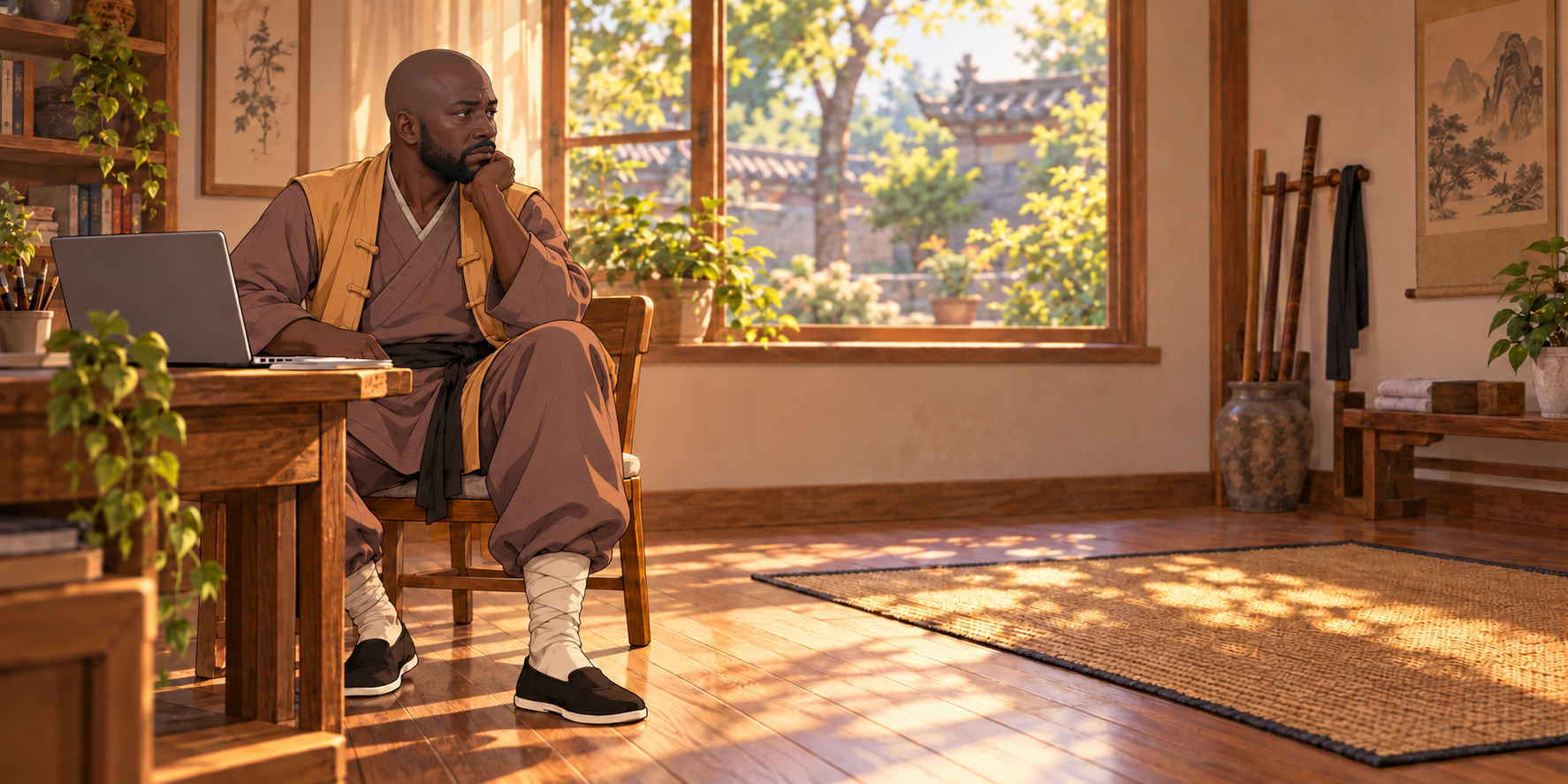
In 2019, I was in good shape, flexible and strong, and I taught and trained for at least 3 hours, 3 times a week, while still finding ways to train outside the temple. Then 2020 began, and the global pandemic turned the world upside down. Everything shut down; we all went online for everything, including our practices and connections. I began working remotely and spent most of the day sitting.
One of the things that kept me pushing and growing is teaching children because they keep me on my toes and push me to stay in great shape so I can share this art with them. The pandemic slowly faded, and my youth classes diminished as they stayed online. Even when we got back in person, it was too little, too late, and we had to temporarily close the program. I started sharing only the parts that felt physically comfortable as my adult students also faded, and health issues challenged newer students who were coming. There are many ways to participate and modify this art to make it accessible, but over time, the comfort of accessibility became a trap.
5 years in, I watched my own strength diminish, even as I became much more technically skilled. My fighting improved a great deal, as did my understanding of energy because that is where I put my focus, but my athleticism started tanking. Yes, I am an aging middle-aged man, so some of that is to be expected, but I knew much of it was me letting myself slip and being undisciplined.
I ate what I wanted, when I wanted, with little activity other than training, and in my 20s that would have been fine, but not in my mid-40s.
The sad part, to me, is that I knew the answers to my problems, but I had to commit to changing the new habits I had formed.
At this point in time, the Kung Fu community has gotten comfortable with removing the fighting aspect of that art, so I went deeper into the combative aspect of Kung Fu. I abandoned many of the more athletic but martially useless exercises because I could no longer see their purpose in my training, and I categorized them as “flower fist”. These exercises are the common Wushu training warm-ups I learned from the monks and practiced in modern Wushu. I forgot that these exercises that made me so strong, fast, and mobile, though I could barely find a real martial application for them, were truly helpful. Even the various kung fu forms would leave you gassed out because they were so rigorous, and I had to revisit them not as martial arts, so to speak, but as movement medicine that kept me and my students agile, which directly impacts their martial abilities.
I came to rediscover that everything I needed was already in my system: the mindfulness and self-reflection, the martial arts and exercise, as well as the healing work, but I can not neglect the fitness component, even though my training must be able to age with me and adapt to my abilities and capacities as they change.
When Comfort Stops Restoring Us
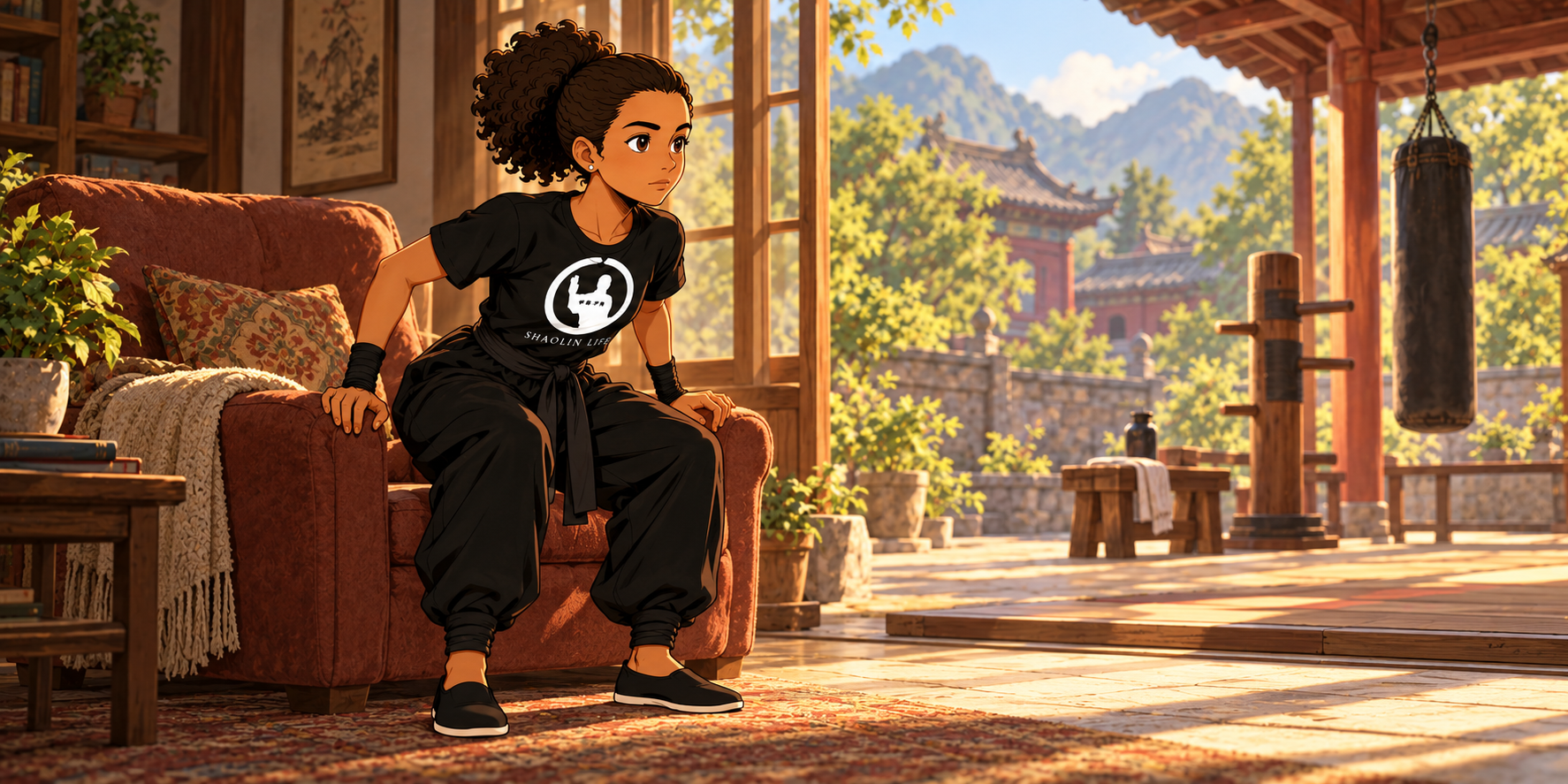
There is value to comfort; it can be a reliable flow of energy that does not overwhelm us and helps to give the feeling of safety, so I don’t want to throw out the baby with the bathwater again. It is important to recognize when this comfort is blocking needed growth, as we know still waters stagnate and there is a tipping point or conditions that no longer serve us.
The value of comfort, rest, and adaptation during a difficult period
This concept is not a one-size-fits-all idea, as it depends on what your comfort zone is and the conditions of your situation. If your comfort zone is movement and exercise but stillness makes you uncomfortable, then that is your comfort's edge to begin to rest and recover. Many people have expressed to me the difficulty they have with meditation; they tend to be busy because they don’t enjoy the thoughts they have when everything is still. For someone like that, working on quieting the mind is their balance work. On the other hand, if you are all mind and no body, or all body and mind and no spirit, you have to find ways of bringing balance to your life. This requires consistent “Kung Fu” or work to build skill at creating balance.
What I began noticing
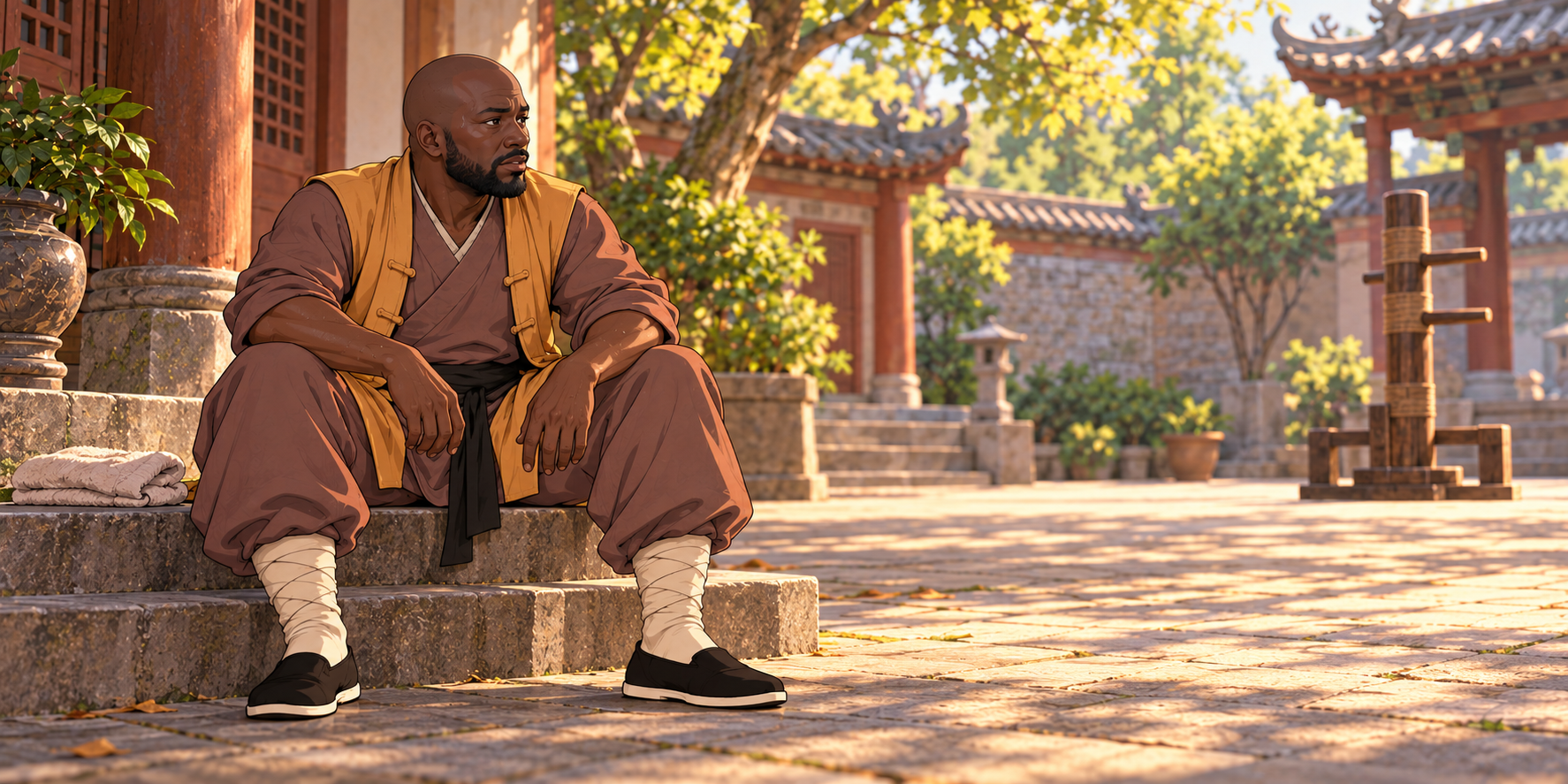
I notice in myself a loss of physical capacity that was beyond normal for my age and activities because I got comfortable not expanding my boundaries, trying to accommodate others. This is a deeper issue of people-pleasing to my own detriment and is an area for growth that forces me to address the comfort zone I find myself in. I will not blame others for my accommodating personality because I still had a choice and every juncture to work on myself and continue to expand. In fairness, I was pushing my comfort zone in other aspects of training, and that was the combative aspect of training, and I even understand my own capacity that I tend to slowly advance one thing at a time.
Spotting imbalance
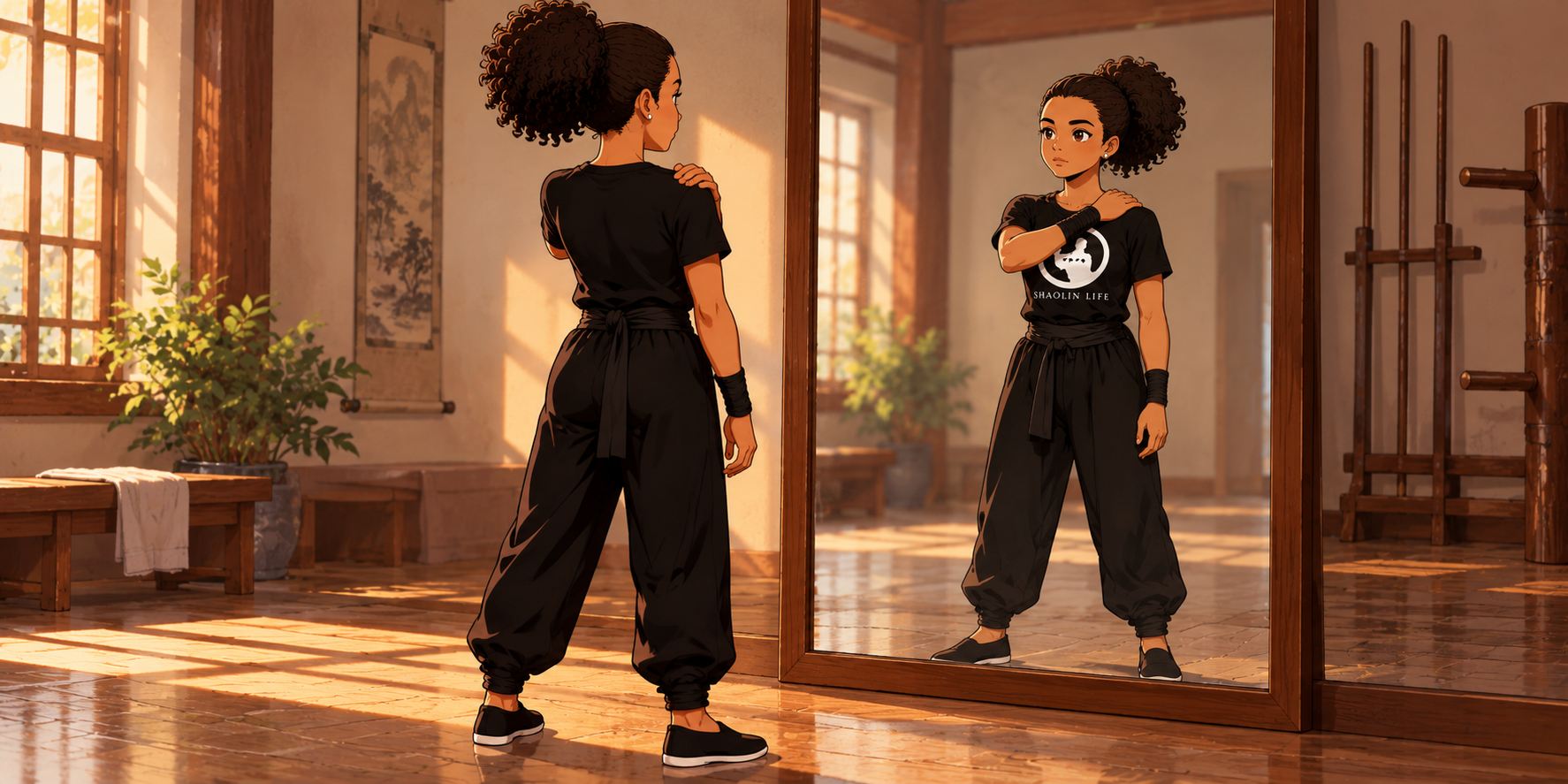
In all things that require balance, the #1 is to “Know Thyself,” and for most, that is an edge of the comfort zone itself. It means we have to take time to listen and see our weaknesses and strengths clearly. When you have a blind spot, that is when we must rely on the feedback from the outside world to inform us, but again, we must listen.
Accessibility Must Include the Opportunity to Grow
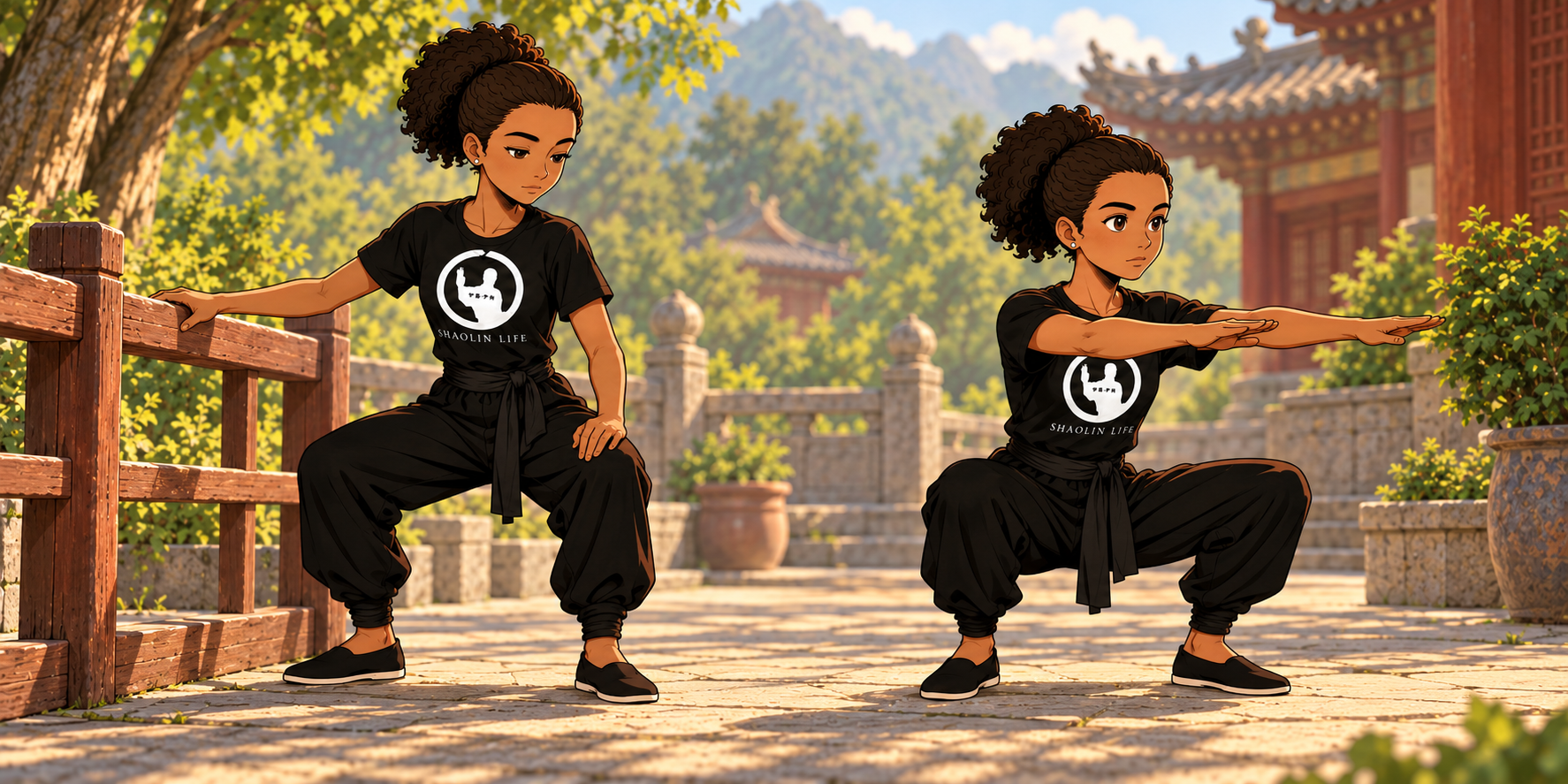
Why I emphasize modifications that welcome people of different abilities.
The Great thing about our art is that it can be modified for a wide range of bodies and abilities, giving the practitioner a way to practice their entire life. It is an important feature but can become confused with making things easier and more comfortable, which it is not designed to do. Its design is for giving people options to explore and expand their comfort zone.
This is also where the trouble can seep in; we can mistake this entry point for a permanent ceiling and/or accuse people with more range or ability as show-offs, rather than someone adapting the practice to themselves.
This understanding takes mental and emotional maturity to be ok with where we are and not to compare ourselves to others or our past selves. It does not mean we don’t use others or a past self as a reference for what is possible, but we do not judge ourselves adversely with that reference.
Teaching question: How can everyone participate while each person has room to expand?
🔐 Practicing the Whole of Chan Wu Yi